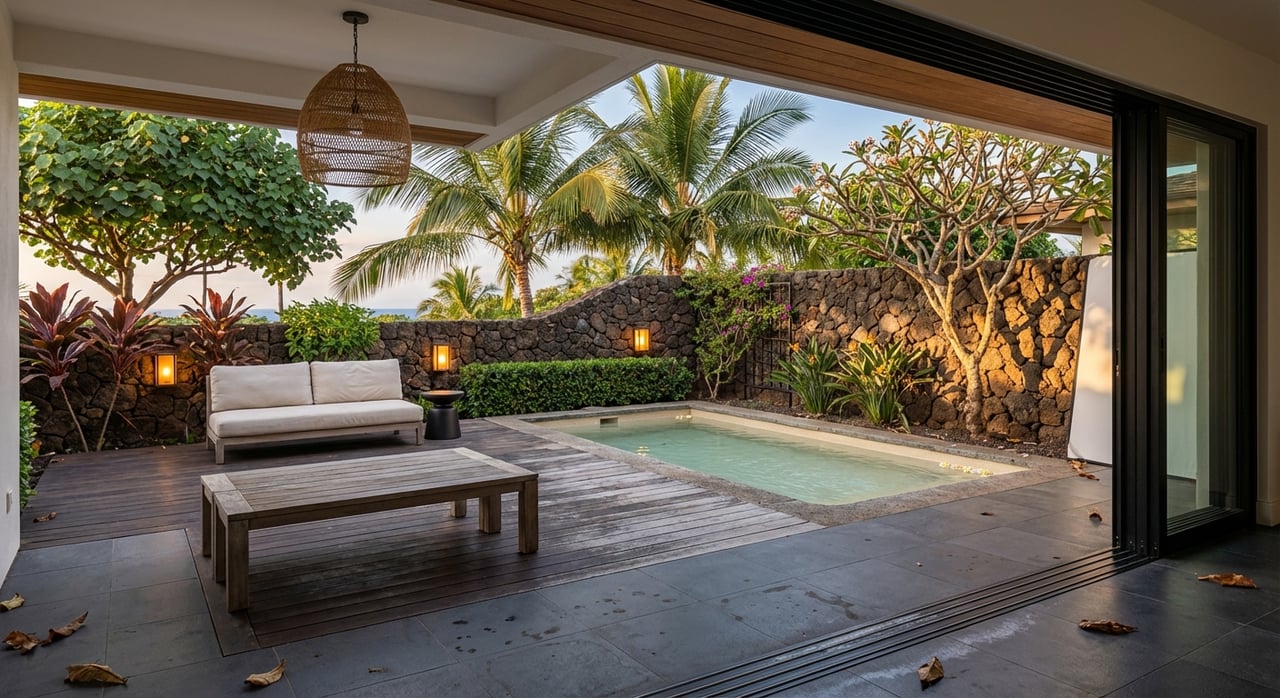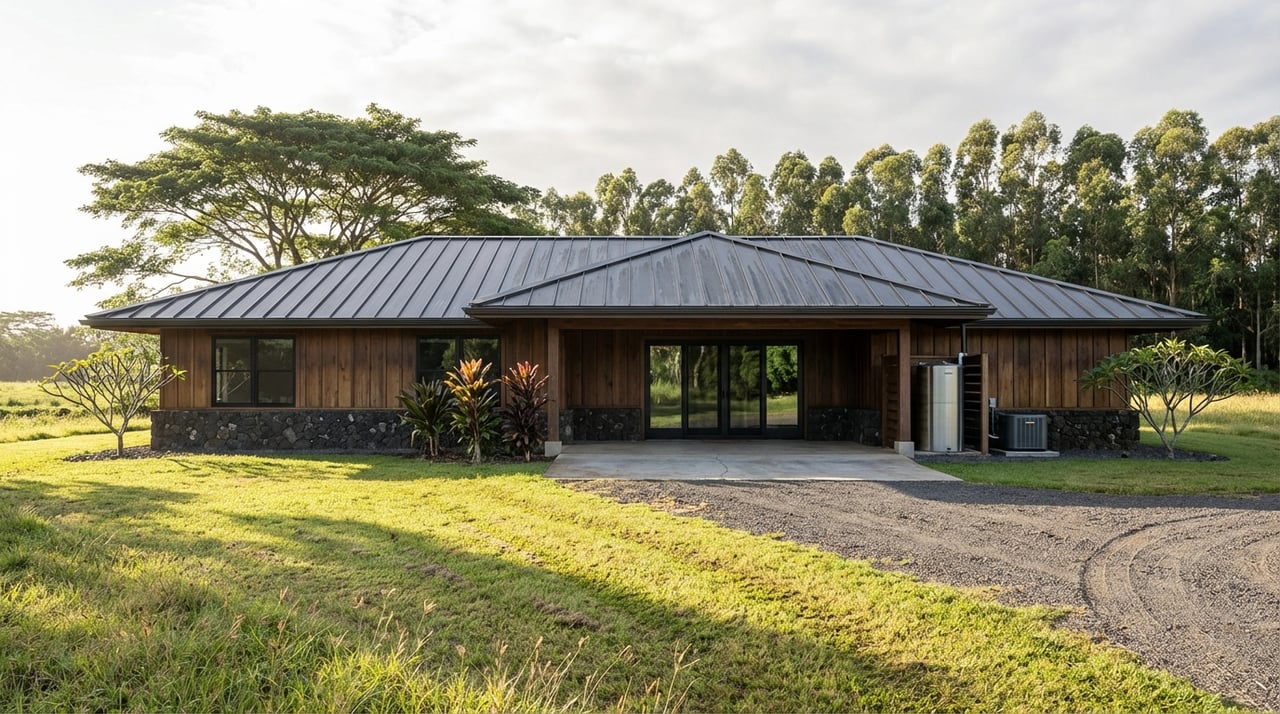
Picture your mornings with wide-open views, trade winds, and the quiet of your own land. Buying acreage in North Kohala can deliver that lifestyle, but the details behind access, water, and utilities decide how easy your dream will be. If you focus your due diligence on the right checks, you can avoid costly surprises and move forward with confidence. This guide gives you a clear, local-first checklist tailored to North Kohala so you can filter listings fast and make a strong offer when the right property appears. Let’s dive in.
Why North Kohala acreage
North Kohala is the Big Island’s northernmost district, shaped by ranching history, active agriculture, and strong community stewardship. The area’s community plan describes a rural character with efforts to protect coastal access and agricultural uses. You will find parcels that shift quickly from breezy coastal slopes to wetter uplands, which means microclimate, water options, and access can vary over short distances. If you love privacy, views, and room to spread out, the district’s acreage options are compelling, especially when aligned with your lifestyle and infrastructure needs. For planning context, review the North Kohala Community Development Plan.
Start with infrastructure
For North Kohala acreage, the biggest single driver of purchase feasibility is infrastructure. Confirm these three items first before you fall in love with a view: legal access, dependable water, and compliant wastewater.
Legal access and road status
Do not assume a visible driveway equals legal access. Confirm a recorded, deeded easement if the road crosses neighboring land. Ask whether the access road is county-accepted or private, and get any private road maintenance agreement in writing. The community plan emphasizes mauka-to-makai access and public access easements, so recorded access details matter. Learn how access is treated locally on the North Kohala access resource.
Why it matters: Heavy equipment, emergency vehicles, and utility crews need reliable access. Unaccepted or rough roads can add time and cost to well drilling, septic installation, and construction, and can also affect permitting and insurance.
Water: municipal, wells, or catchment
Ask the County Department of Water Supply (DWS) if the parcel is in a service area and whether a meter exists. North Kohala includes areas served by systems like Hawi and Makapala, but many rural parcels rely on wells or rain catchment. The county’s aquifer planning notes variable hydrology across the district, which is why two nearby lots can have very different water realities. For context on systems and hydrology, review the Kohala aquifer sector overview and contact Hawaii County DWS directly for parcel-level availability.
If you plan a new well or a change in withdrawals, the State Commission on Water Resource Management (CWRM) may require registration and permitting. Check current rules and well guidance with CWRM.
Why it matters: Reliable water is essential for daily living, irrigation, and fire safety planning. In some subareas, catchment with storage and filtration is a smart, common solution, but you still want to budget for tanks, pumps, and maintenance.
Wastewater: cesspool, septic, or sewer
Identify the on-site wastewater system in place. Some acreage homes still use cesspools. Hawaii law prioritizes converting cesspools over time, and conversions or upgrades can be triggered by building permits or sale events. The State Department of Health (DOH) publishes conversion priorities, guidance, and links to potential financial support programs. Start with the DOH wastewater resources and confirm the property’s status and any deadlines at the DOH wastewater page.
Why it matters: Septic or advanced treatment upgrades are a real line item. Knowing the timing and cost helps you structure your offer and renovation plans.
Zoning, permitted uses, and overlays
Most larger parcels in North Kohala carry County agricultural zoning. The “A” categories, such as A-1a, A-5a, A-20a, and A-40a, set minimum lot sizes and influence subdivision potential and density. Confirm the exact zoning for the Tax Map Key (TMK) and whether your intended uses are allowed by right or need a special permit. This is critical for activities like guest lodging, packing or processing, or other non-ag commercial uses. Review zone definitions in the County zoning code and cross-check planning direction in the North Kohala CDP.
Also confirm any overlays that may limit grading, vegetation removal, wells, or structures. Parcels near the shoreline, within Special Management Areas, or within State Conservation Districts will carry added review and approvals. The community plan highlights shoreline protections and mauka stewardship, so factor these into your timeline.
Utilities you will rely on
Electricity and energy planning
Look for nearby distribution lines and an existing meter. If service is not close, ask Hawaiian Electric for a service estimate, including any needed transformer or line extension work. Older subdivisions can have special programs that shape your cost. Engineering specs and service details are provided by Hawaiian Electric.
Why it matters: Line extensions and transformer upgrades can materially affect your build budget and schedule. For remote sites, plan for backup generation or solar-plus-storage to increase resilience.
Broadband and phone coverage
Service is highly location-specific. Some areas near Hawi have cable options, while more remote acreage may rely on fixed wireless or satellite. Do an address-level check with providers before you write your offer. A quick starting point for availability patterns is BroadbandNow’s Hawi overview, followed by direct provider lookups for your TMK or street address.
Why it matters: If you plan to work remotely or stream media, bandwidth is not a nice-to-have. It is a must-have that drives day-to-day satisfaction.
Hazards, slope, and insurance
North Kohala’s topography includes steep valleys, localized flood zones, and dry leeward areas where wildfire planning is smart. Check FEMA Flood Insurance Rate Maps and County hazard resources to understand flood, landslide, and fire considerations for your parcel. The County’s planning pages are a good starting point for local hazard references linked from the North Kohala CDP hub.
Why it matters: Hazard exposure can influence insurance availability and costs, building requirements, and your site plan. A geotechnical assessment for slope and soils is a wise early step before you finalize budgets.
Taxes and agricultural classification
Large parcels can qualify for agricultural assessments or use-value programs that influence your annual tax bill. Ask the County Real Property Tax office about your TMK’s current assessment class, any special agricultural classification, and bill history. Start with the Hawaii County Real Property Tax portal for contacts and program info.
Why it matters: Assessment class and any recorded conservation easements affect carrying costs and resale positioning. You want clarity before you commit.
Life on acreage: maintenance realities
- Water storage and redundancy: If you rely on catchment, plan on multiple tanks, filtration, first-flush systems, and pump maintenance. Many owners like to build in redundancy for dry spells and power outages.
- Septic and OSDS upkeep: Septic and advanced treatment systems need periodic inspections and service contracts. If a cesspool conversion is in your future, budget for design, permits, and installation and use the DOH wastewater guidance to understand timing.
- Road and driveway care: Private access usually means you handle grading, culverts, and storm cleanup, often with neighbors or an association. Heavy equipment trips add wear and cost, so plan accordingly.
- Pasture and fencing: If you envision animals or a hobby ranch, line-item fencing, water troughs, and weed control. Expect neighboring parcels to remain in active ag use.
- Property oversight: Remote acreage benefits from a reliable local caretaker or scheduled check-ins to monitor roofs, tanks, septic, and fences.
- Community stewardship: North Kohala has active community groups. Early engagement is smart if you plan ag or visitor-oriented uses. The North Kohala CDP outlines local priorities that help you align your plans.
Buyer checklist for North Kohala acreage
Use this as your quick-reference list before you write an offer:
- Identify the TMK and pull title: Get the recorded deed chain, easements, and any CC&Rs. A current title report is essential.
- Confirm zoning and permitted uses: Note the specific “A” category and minimum lot size. Verify your intended use against the County zoning code.
- Verify legal access: Is it a county-accepted public road or private? Obtain any road maintenance agreement if access is private.
- Check water service: Ask Hawaii County DWS if there is a meter and what system serves the lot. If none, confirm the feasibility of a well or catchment.
- Confirm wastewater status: Determine if the property has a cesspool, septic, or ATU. Check DOH priority status and guidance at the DOH wastewater page.
- Call Hawaiian Electric: Request availability and a line-extension or transformer estimate if needed. See engineering info at Hawaiian Electric.
- Check broadband and phone: Run an address-level lookup with providers. Use BroadbandNow’s Hawi overview as a starting point.
- Review hazards: Pull FEMA flood info and review County hazard resources linked from the North Kohala CDP. Plan for geotechnical and septic feasibility testing.
- Verify property taxes: Ask the Real Property Tax office about assessment class, ag-use status, and bill history at the County tax portal.
- Line up local pros: A surveyor, septic designer, well driller, geotechnical engineer, and a contractor experienced in North Kohala will help you build a realistic budget and timeline.
How I help you buy well
Acreage purchases reward calm planning and local nuance. My approach centers on clarity and strategy. I help you sequence due diligence, connect with the right local professionals, and keep your offer aligned to the realities of access, water, wastewater, utilities, and zoning. You get straightforward guidance that supports the lifestyle you want, with a clear path from first tour to closing.
Ready to explore North Kohala acreage with a planning-first partner? Let’s talk about your goals and design a smart plan. Mk Letterman
FAQs
What should I confirm first when buying North Kohala acreage?
- Start with legal access, dependable water (meter, well, or catchment), and compliant wastewater, then confirm zoning and overlays for your intended use.
How do I find out if a parcel has county water service?
- Contact the Hawaii County Department of Water Supply to ask about service area coverage, mains, and meter status for the specific TMK or address.
Are cesspool conversions required on acreage homes?
- Hawaii is prioritizing cesspool conversions, and upgrades can be triggered by building permits or sale events; confirm timing and options with the State DOH.
Can I add a guest unit or short-term rental on agricultural land?
- Check permitted uses in the County zoning code and ask Planning about special permits; some overnight visitor uses may need additional approvals.
Will I get high-speed internet on a rural parcel?
- It depends on the exact location; run address-level checks with providers and consider fixed wireless or satellite if fiber or cable is not available.