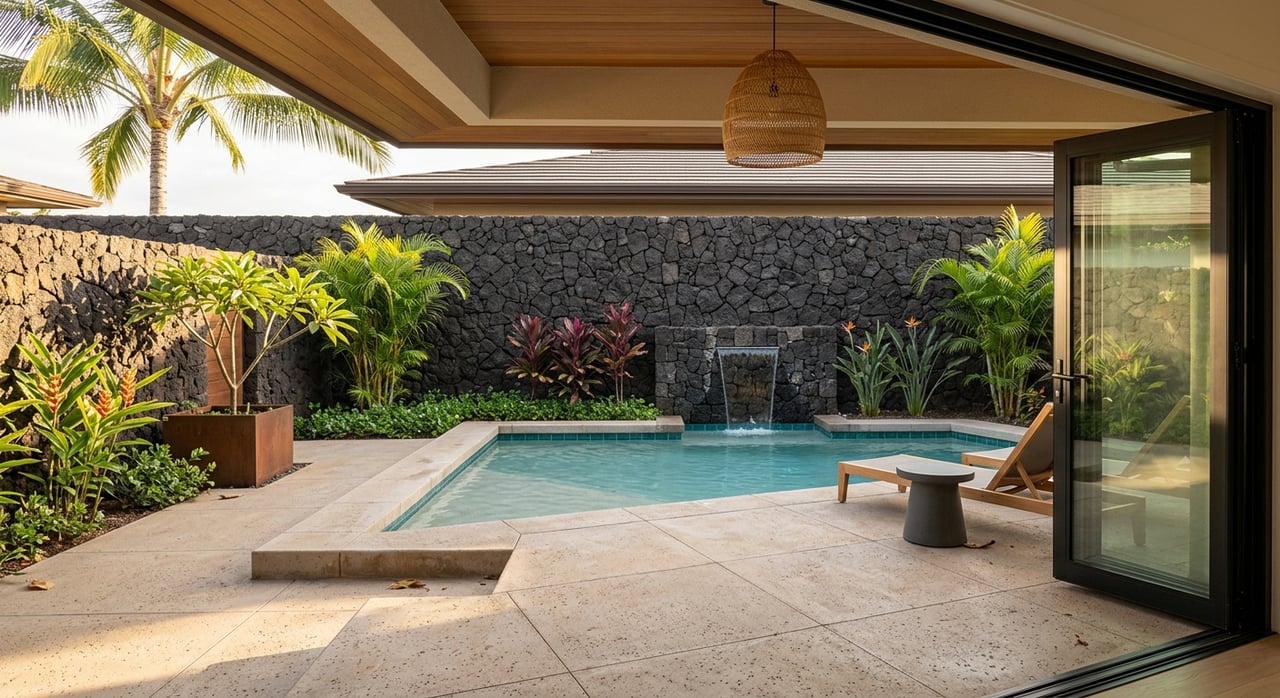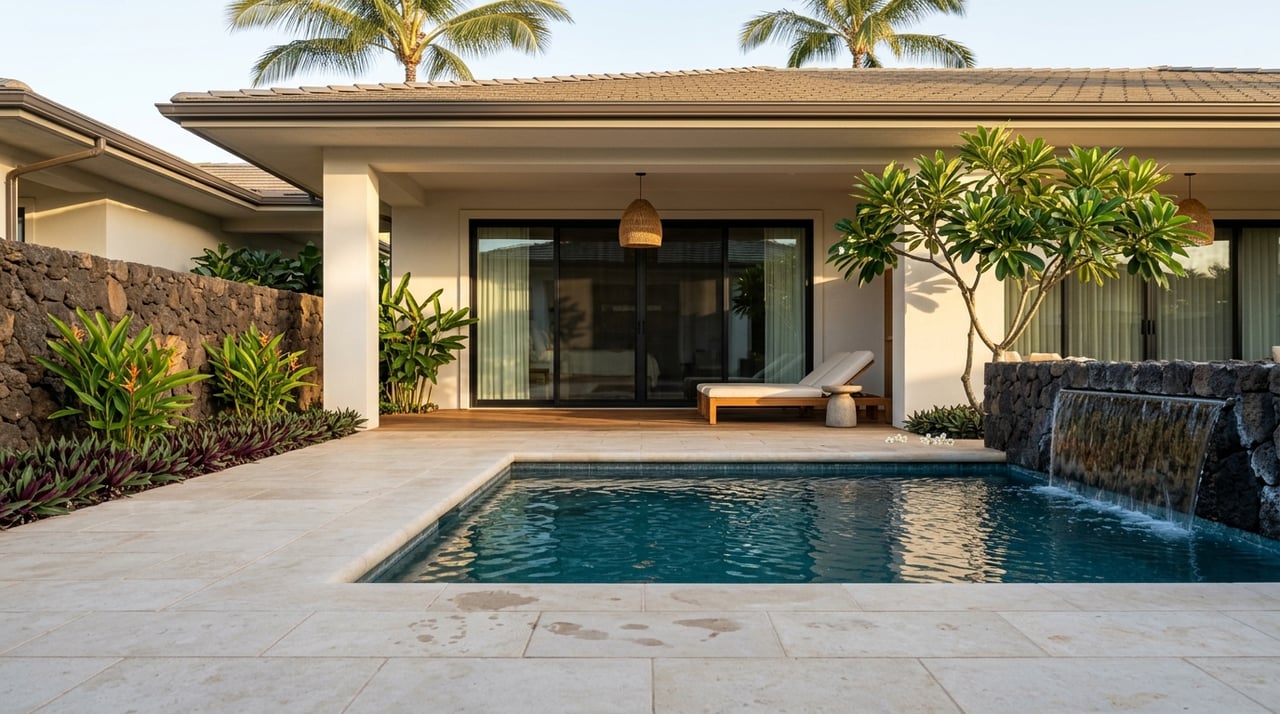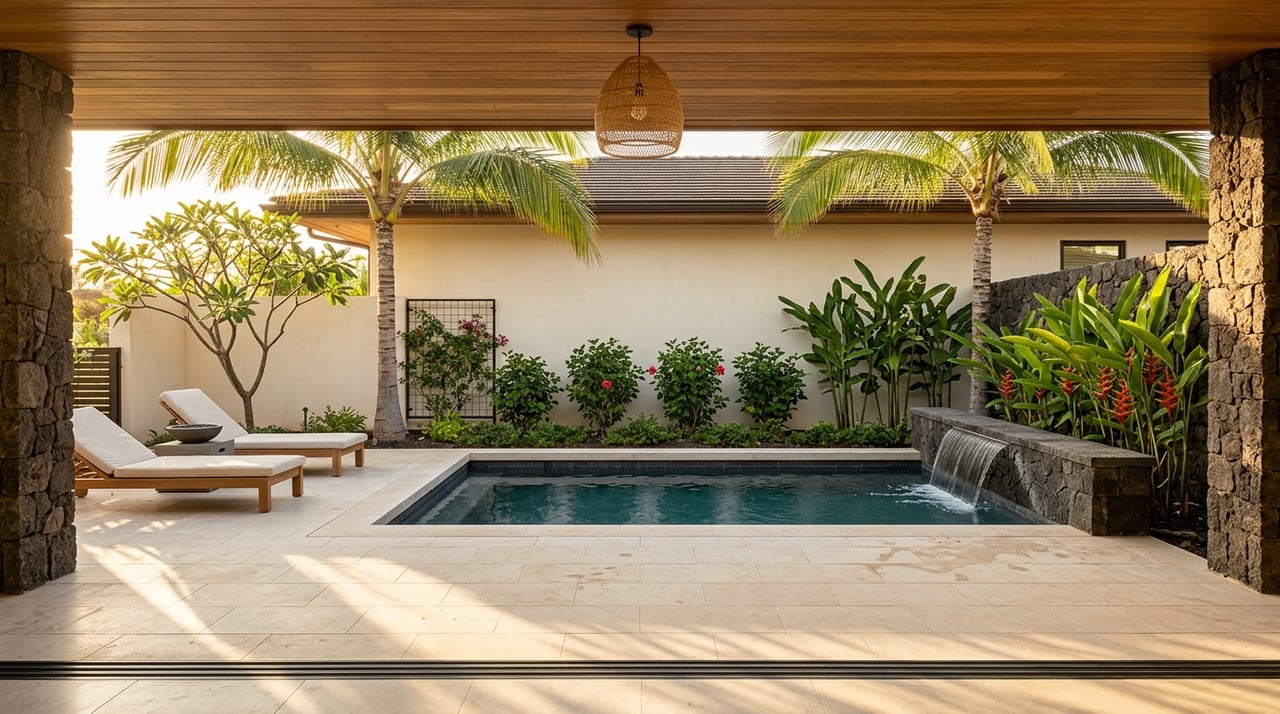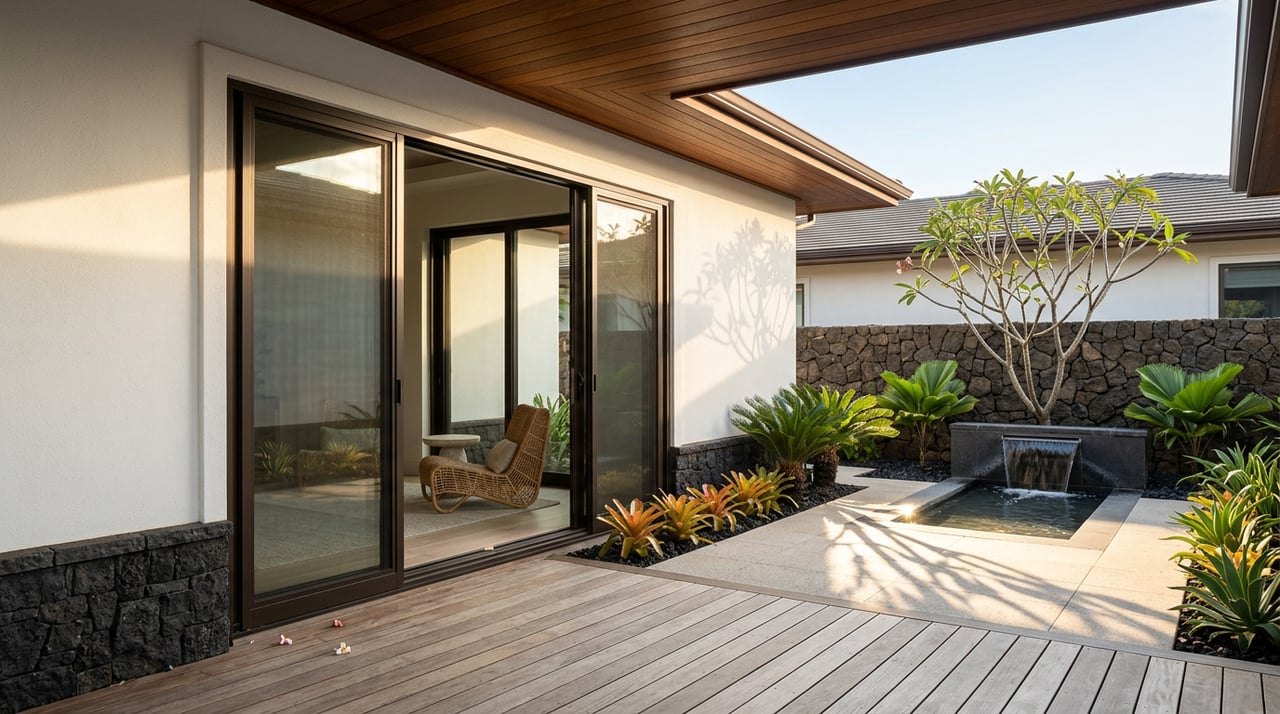
You came to North Kona for ocean air, warm sunsets, and an easier rhythm. Now you face a clear choice: condo or single‑family home. Each path can fit beautifully here, but the right one depends on how you plan to live, what you want to manage, and how you budget for island‑specific costs. In this guide, you’ll compare true monthly expenses, rules and rental options, hazards, and daily‑life tradeoffs so you can move forward with clarity. Let’s dive in.
North Kona market snapshot
North Kona offers a wide range of options, from Ali‘i Drive oceanfront condos to up‑slope homes with breezes and privacy. Local medians sit around $950,000, which means single‑family homes often price at or above that number while condos span from entry‑level studios to higher‑amenity oceanfront units. Your budget, maintenance comfort, and lifestyle priorities will point you to the best fit.
What shapes monthly cost
Owning in North Kona includes costs beyond the mortgage. Focus on the big drivers that differ between condos and single‑family homes.
Purchase price and property taxes
- Purchase price sets your loan and insurance base. Homes tend to command higher prices for land and privacy. Condos can be more affordable up front.
- Hawaii County taxes properties by classification and value tiers. The published homeowner rate for FY 2025–2026 is about $5.95 per $1,000 of net taxable value, while non‑owner and transient classes use higher tiered rates. Review the county’s current rate tables and how classifications work in Hawaii County using this summary of county rates: Hawaii County property tax rates.
- Tax class matters. A condo used as a short‑term rental may be taxed at a higher rate than an owner‑occupied home.
HOA dues and what they cover
- Many Kona condos carry monthly HOA assessments that can range from several hundred dollars to well over $1,000 per month in amenity‑rich buildings.
- Dues typically cover exterior maintenance, grounds, pool care, master insurance, and sometimes water, trash, cable, or reserves. Always confirm the exact inclusions and any planned special assessments.
- A lower condo price can be offset by higher monthly dues, so compare your true monthly total against a home with private maintenance.
Insurance and hazard coverage
- Condo owners buy an HO‑6 policy for interiors, contents, and liability, while the association carries a master policy for the building. Homeowners insure the full dwelling. Understand whether the condo’s master policy is “all‑in” or “bare walls.” See this overview of homeowners vs. condo insurance.
- In coastal Hawaii, factor in flood, hurricane/wind, and possible separate riders. Lenders may require flood insurance if the property lies in a mapped FEMA flood zone.
Rental use and taxes
If rental optionality is important, match your plan to both county rules and tax costs.
- Hawaii County regulates short‑term vacation rentals. Some condos are eligible and already registered, while others are not. Confirm zoning, permits, and Nonconforming Use Certificate status with the County Planning Department: Hawaii County STVR rules and resources.
- Hawaii taxes nightly stays with Transient Accommodations Tax and local surcharges. With General Excise Tax added, the total effective tax on rental revenue can exceed the high‑teens. Review current state guidance, including recent rate changes effective Jan 1, 2026: Hawaii DOTAX TAT announcement.
- Model net income after TAT/GET, HOA dues, cleaning, utilities, and management. Tax classification for the property can also affect annual property taxes.
Condo rules to review
Condominium associations are governed by Hawaii law and each AOAO’s declaration, bylaws, and house rules. These documents set rental limits, pet policies, quiet hours, use of amenities, maintenance obligations, and reserve planning. Before you write an offer, request and read the full packet, then ask clarifying questions. Learn the basics here: Hawaii condo governance FAQs.
Hazards and infrastructure to check
North Kona’s natural beauty comes with island‑specific checks that shape insurance, financing, and long‑term upkeep.
- Flood zones. Many oceanfront properties sit at low elevations. Lenders often require flood insurance for homes and condos in FEMA flood zones. Start with the County’s FIRM fact sheet: Big Island FEMA flood map guidance.
- Lava hazard zones. Much of Kona lies in lower lava‑hazard categories compared to other districts, but lenders still review zone mapping per parcel. Get familiar with USGS lava‑flow hazard guidance.
- Wastewater: sewer vs. cesspool/septic. Some areas connect to municipal sewer, while others use private systems. Hawaii law is phasing out cesspools with deadlines through 2050 and earlier in priority areas. See current legislative context: Hawaii cesspool upgrade requirements.
- Coastal wear and tear. Salt air accelerates corrosion and exterior paint cycles. Expect more frequent maintenance on railings, hardware, and mechanicals, especially at the shoreline. For best practices, see FEMA’s Coastal Construction Manual.
- Termites and pests. The Big Island has established termite populations, including Formosan termites. Plan for inspections and treatments, especially for wood‑frame homes and ground‑level structures: University of Hawai‘i termite guidance.
Lifestyle tradeoffs that matter
Daily rhythms can look very different in a condo near Ali‘i Drive versus an up‑slope home.
- Privacy and noise. Condos share walls and common areas and follow house rules. Single‑family homes offer more space and fewer shared rules.
- Parking and storage. Many condos include one space and limited storage. Homes often provide garages, yards, and room for boards, bikes, and tools.
- Microclimate and location. Coastal condos offer walkability to beaches and dining with warmer, salt‑air conditions. Up‑slope neighborhoods like Holualoa tend to be cooler and drier, often with larger lots and more privacy.
Quick decision framework
Choose a condo if you:
- Want walkability and resort‑style amenities.
- Prefer not to handle exterior maintenance.
- Are comfortable with HOA rules and dues.
- Value secured entry, pools, and lock‑and‑leave simplicity.
Choose a single‑family home if you:
- Need a garage, yard, or storage for gear.
- Want more privacy and control over renovations.
- Prefer to avoid HOA restrictions on pets or rentals.
- Accept variable maintenance costs in exchange for autonomy.
What to request before you offer
Collect documents early so you can make a clean, confident decision and avoid surprises.
- Full condo packet: declaration, bylaws, house rules, budgets, recent minutes, reserve study, insurance certificate, and any special assessment resolutions. Start with the framework here: Condo governance FAQs.
- STVR status: copies of the County STVR registration or Nonconforming Use Certificate if rental income matters. Confirm transferability: Hawaii County STVR rules.
- Property taxes: the current Hawaii County classification for the TMK and the latest bill. Review rate tiers in the county summary: Hawaii County tax rates.
- Hazard and utilities: FEMA flood‑zone letter, lava‑hazard zone, and sewer/cesspool status plus any Department of Health notices related to cesspools: Cesspool upgrade law overview and FEMA flood map guidance.
- Insurance: the condo master policy summary and your expected HO‑6 or, for homes, the full dwelling policy. Understand flood, wind, and hurricane responsibilities: Condo vs. homeowners coverage.
Next steps
You do not have to choose alone. If you want walkability and easy upkeep, a condo near the coast may be perfect. If privacy, storage, and control top your list, a single‑family home up the hill may serve you best. The right answer depends on your budget, maintenance comfort, and how you want to spend your time here in North Kona.
If you’d like a clear, local plan that fits your lifestyle and numbers, reach out. I’ll help you compare specific properties, review the right documents, and confidently move forward. Let’s talk through your goals with Mk Letterman.
FAQs
What are the biggest cost differences between a North Kona condo and a home?
- Condos often trade a lower purchase price for higher monthly HOA dues and an HO‑6 policy, while homes carry full exterior maintenance, larger dwelling insurance, and more variable upkeep.
How do Hawaii County property taxes affect my choice?
- Your tax class and value tier drive the bill; owner‑occupied rates are lower than non‑owner or transient classes, and short‑term rental use can trigger higher rates.
Can I operate a North Kona condo as a short‑term rental?
- Only if the zoning and association allow it and proper county registration or a Nonconforming Use Certificate is in place; confirm details with Hawaii County Planning before you buy.
What hazards should I check for oceanfront condos?
- Review FEMA flood zones, consider sea‑level and storm exposure, read the condo’s maintenance history, and price flood, wind, and hurricane coverage where required.
Do up‑slope North Kona homes have different upkeep needs?
- Yes; you may avoid direct salt spray but still plan for termite protection, roof and exterior maintenance, and either private wastewater systems or a sewer connection depending on location.
What condo documents should I read before making an offer?
- The full AOAO packet: declaration, bylaws, house rules, budgets, recent minutes, reserve study, insurance certificate, and any special assessment notices.