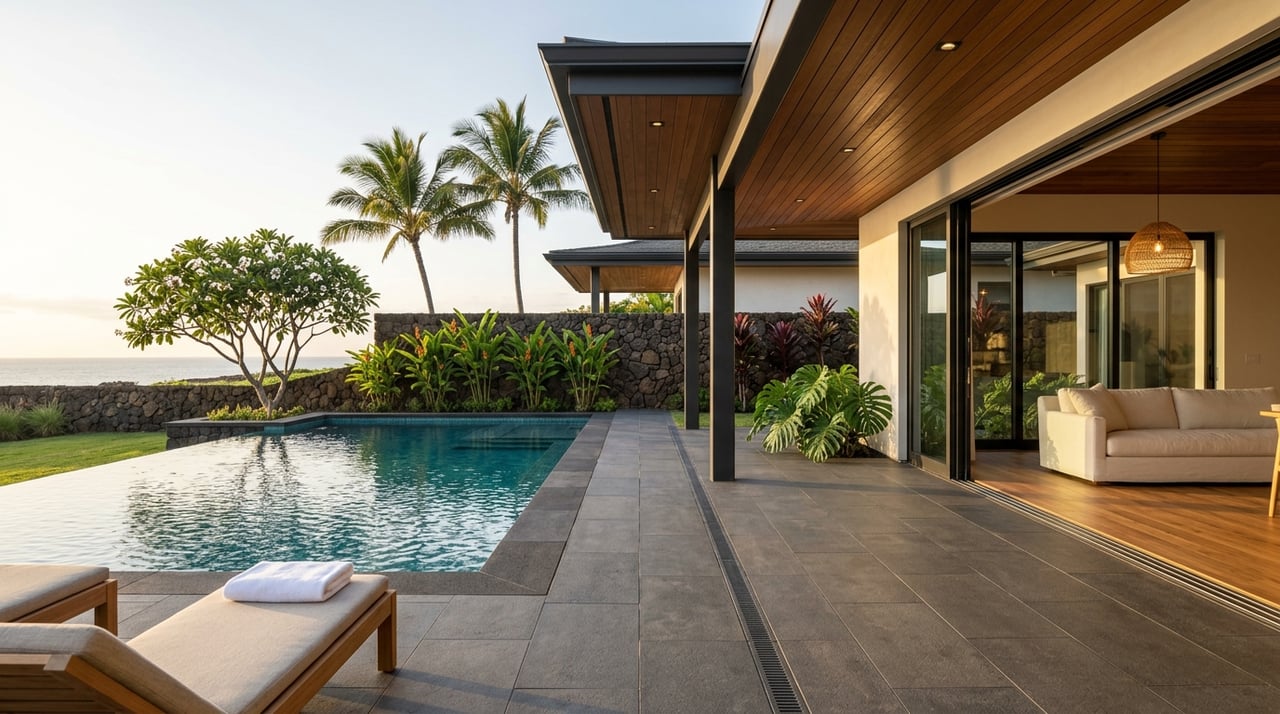
If you are selling in Mauna Kea Resort, you are not just putting a house on the market. You are presenting a full island experience, and discerning buyers will notice every detail from the front entry to the lanai view. The good news is that the most effective prep usually is not a full renovation. It is a smart, calm strategy that helps buyers see the light, lifestyle, and ease your property already offers. Let’s dive in.
Why Mauna Kea prep is different
A Mauna Kea Resort home lives in a luxury resort setting, not a typical neighborhood market. Buyers are often weighing the home itself alongside the broader experience of Kaunaʻoa Bay, golf, tennis and pickleball, spa access, dining, and club lifestyle.
That means your prep plan should do more than make the home look tidy. It should help a buyer immediately understand how the property connects to indoor-outdoor living, resort amenities, and the relaxed rhythm that draws people to this part of the Kohala Coast.
What discerning buyers notice first
Buyers often react to photos before they ever set foot in the home. According to the National Association of Realtors 2025 staging survey, 83% of buyers’ agents said staging made it easier for buyers to picture a property as their future home.
That matters in Mauna Kea, where visual impact is everything. If your listing photography and in-person presentation feel calm, bright, and easy to read, buyers can focus on what makes the home special instead of getting distracted by clutter, wear, or overly personal design choices.
Focus on the most important rooms
The rooms that tend to matter most are the living room or great room, primary bedroom, kitchen, and dining area. These are also the spaces where buyers are most likely to imagine their daily life, guests, and time spent enjoying the property.
In a resort home, these rooms often connect directly to the lanai, pool area, or view corridor. Your goal is to make those transitions feel seamless.
Protect the view and natural light
In Mauna Kea Resort, sightlines are a major part of value. Whether your home looks toward the ocean, bay, golf course, or landscaped garden, buyers should be able to take in that setting without visual competition.
Start by removing anything that interrupts the line of sight. Oversized décor, bulky furniture, crowded shelves, and heavy window treatments can make the space feel smaller and less connected to the outdoors.
Keep lanai spaces simple
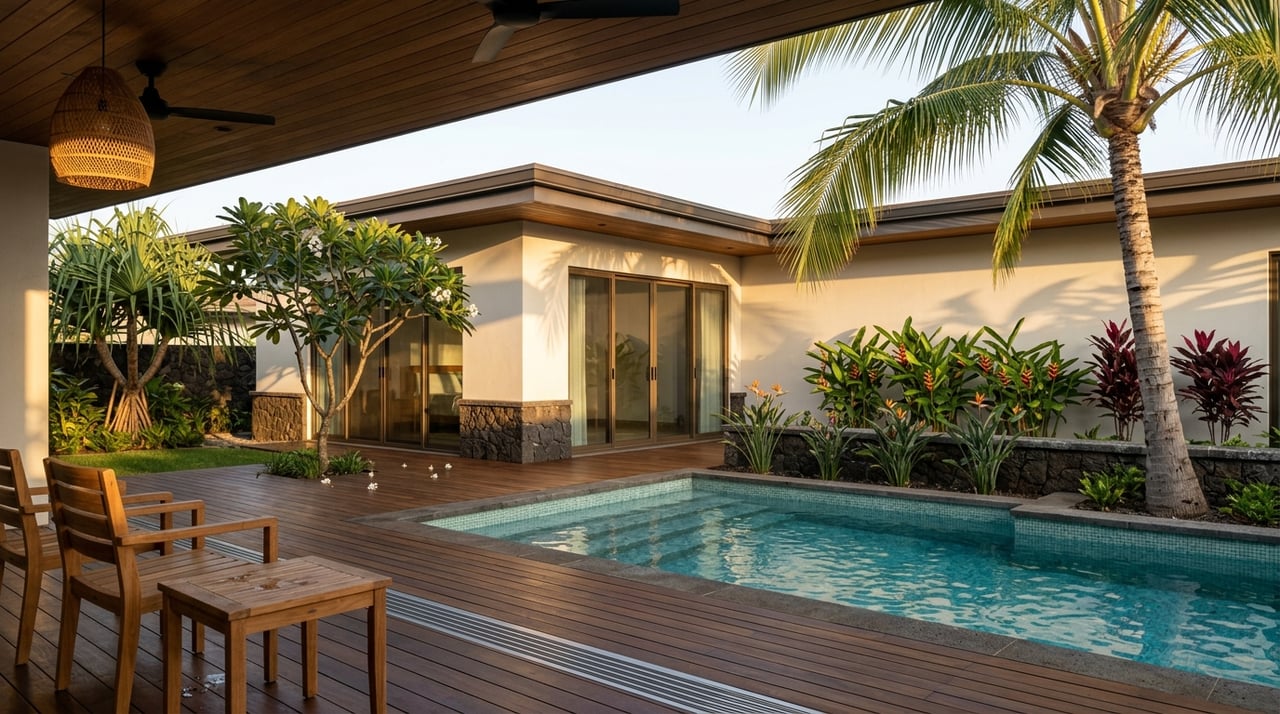
Lanai areas should feel inviting but not crowded. Low-profile furniture usually works better because it supports the view instead of blocking it.
A simple dining setup or clean seating area can help buyers picture outdoor meals, morning coffee, or evening gatherings. This is especially effective when the lanai reads as an extension of the great room rather than a separate, overfilled space.
Use staging to create calm
Luxury buyers do not need a home to feel flashy. More often, they respond to spaces that feel effortless, cared for, and easy to enjoy.
NAR guidance supports a simple approach: let in natural light, use neutral wall colors, open up the space, streamline décor, and add storage instead of visual clutter. In a Mauna Kea property, that usually means editing rather than adding.
Prioritize these interior updates
If you want the highest-impact prep items, start here:
- Deep clean every room
- Declutter surfaces, shelves, and storage areas
- Repair visible wear and tear
- Refresh walls with neutral paint where needed
- Replace tired carpet with harder-surface flooring if appropriate
- Simplify decorative items so rooms feel larger and brighter
These updates help the home photograph well and feel well maintained during showings. They also keep buyers focused on the space, architecture, and setting.
Strengthen the arrival experience
First impressions still matter in luxury real estate. Before a buyer sees the great room or lanai, they are already forming an opinion from the drive-up, entry, and exterior presentation.
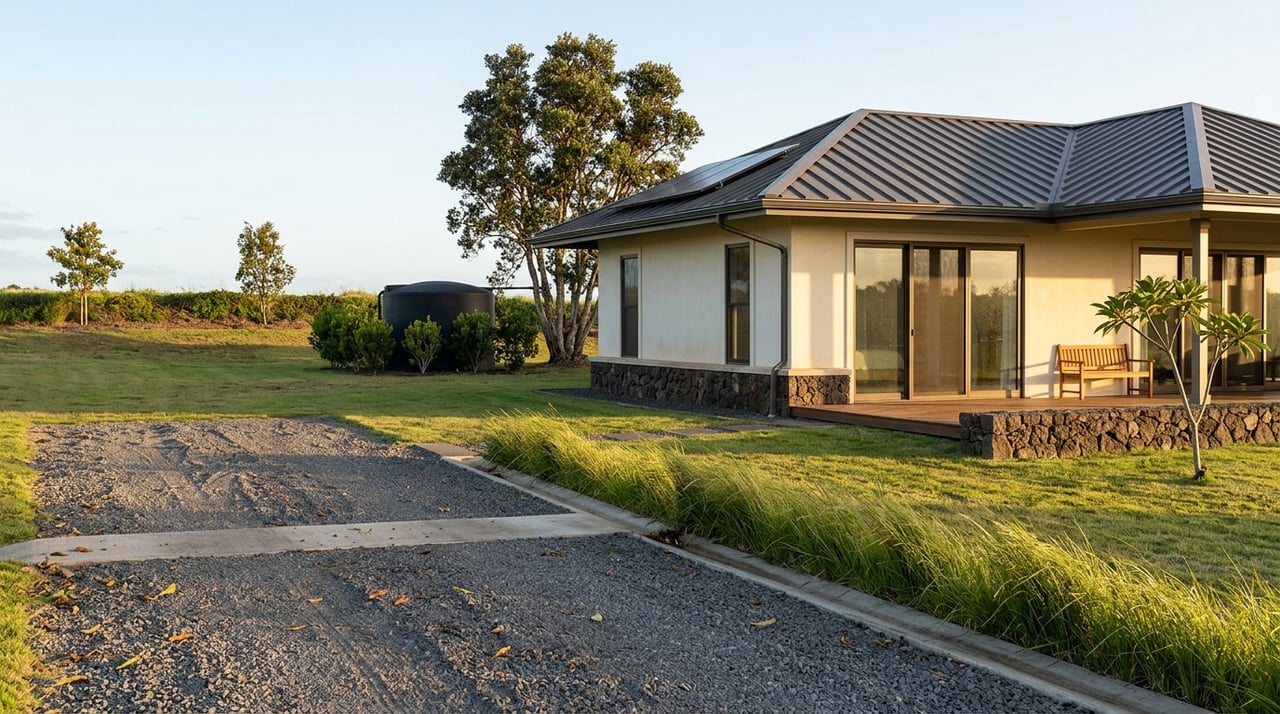
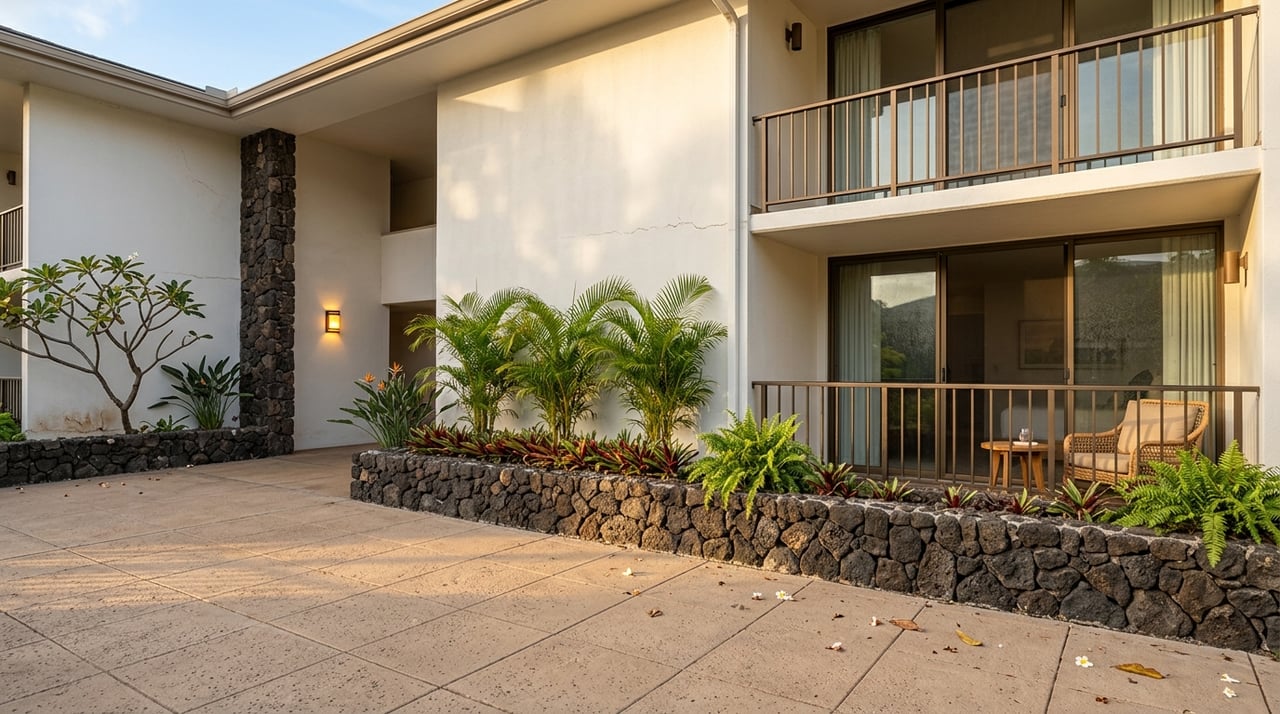
That is why seller prep should include the entry, windows, driveway, lanais, and pool area. Clean surfaces and a polished arrival experience can make the entire property feel more elevated.
Edit the landscaping
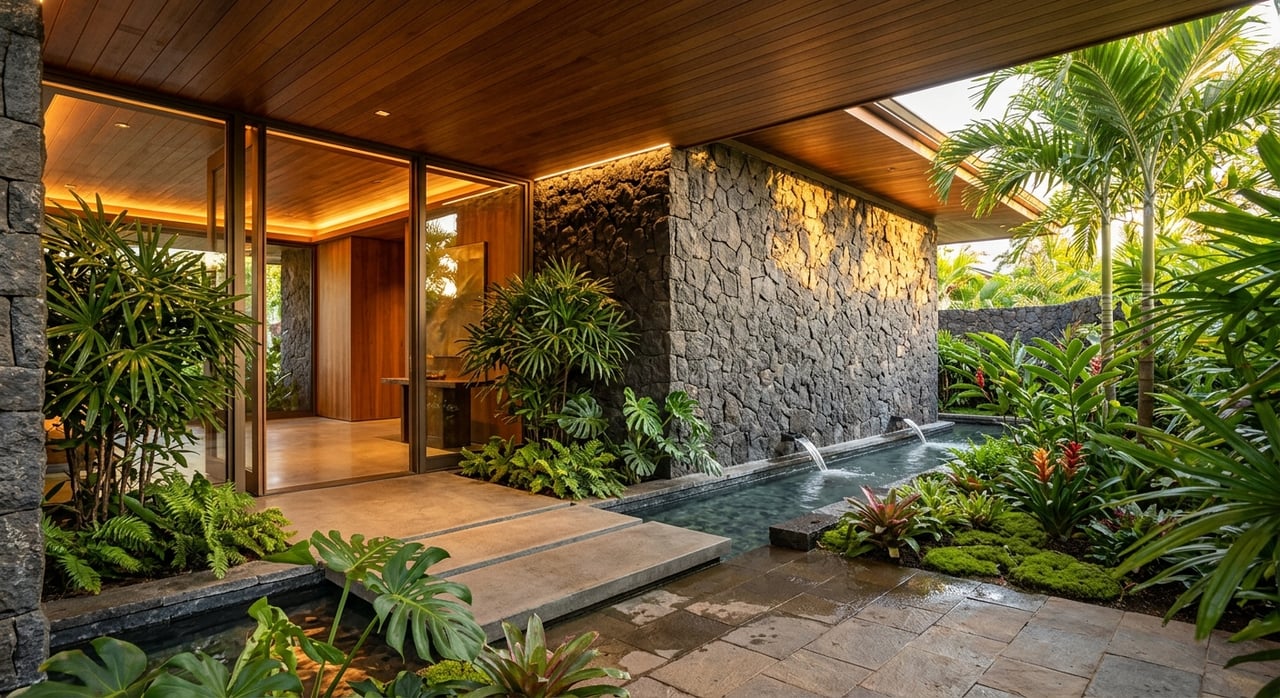
Landscaping should frame the home, not overpower it. Trim plantings so the architecture remains visible and the outdoor areas feel intentional.
This is especially important if greenery is crowding walkways, narrowing view corridors, or making the property feel more high-maintenance than it is. A refined exterior helps buyers feel that the home has been thoughtfully cared for.
Tell the resort lifestyle story
In Mauna Kea, the amenities are part of the value proposition. Buyers are not only asking, “Do I like this house?” They are also asking, “Can I see my life here?”
The official resort experience includes beach services at Kaunaʻoa Bay, championship golf, oceanfront tennis and pickleball, spa services, dining, and club access for homeowners and kamaʻāina. Your listing presentation should help connect the home to those experiences in a natural way.
Show how the home supports the lifestyle
The strongest marketing usually highlights how the property lives day to day. That can include:
- Lanai dining that feels ready for sunset meals
- Poolside seating that suggests relaxed afternoons at home
- Indoor-outdoor entertaining areas with easy flow
- Proximity to golf or resort amenities when relevant
- Primary suites that feel private, quiet, and restorative
This kind of storytelling works because it stays grounded in how the property is actually used. It gives buyers a fuller picture of ownership without relying on hype.
Skip the remodel, refine the presentation
For many Mauna Kea sellers, a major remodel is not the smartest first move. The research points to a more practical path: present what the home already does well with clarity and discipline.
If the light is beautiful, make it shine. If the floor plan opens to a lanai, emphasize that connection. If the property has a calm primary suite or a strong entertaining layout, make sure those strengths come through in person and in photos.
Where to spend before listing
If you are deciding where to invest time and money, focus on improvements that reduce friction for buyers. These are often more effective than expensive design changes.
A practical pre-listing budget often goes furthest with:
- Cleaning and detailing
- Paint touch-ups or full neutral repainting where needed
- Minor repairs
- Flooring updates if existing surfaces look worn
- Landscape trimming and exterior cleaning
- Thoughtful staging in the main living spaces
This approach supports both value and momentum without overcomplicating the process.
Get paperwork ready early
In Hawaii, seller preparation is not only about presentation. It is also about disclosure readiness.
Hawaii’s current seller disclosure form asks for details such as project or association name, county zoning, state land-use designation, fee simple or leasehold status, flood-zone designation, and sea-level-rise exposure area. The form is intended to help organize and present material facts, and it encourages sellers to seek professional advice or expert inspection before completing it.
Gather association documents ahead of time
If your property is subject to recorded declarations or use restrictions, Hawaii Revised Statutes Chapter 508D requires disclosure of association documents such as declarations, bylaws, rules, and materials related to common areas, architectural control, maintenance, and assessments.
The statute also sets a timing framework: sellers are not required to provide those documents until 10 calendar days after a current title report is received, and then buyers have 15 calendar days to review and decide whether to rescind. In practice, that makes early collection of the HOA or association packet a smart way to reduce avoidable escrow delays.
Create a low-drama luxury sale
The smoothest resort sales usually share the same ingredients. The home is clean, neutral, and well photographed. The strongest rooms are staged with restraint. The views and indoor-outdoor flow are easy to understand. The disclosure file is organized and ready.
That kind of preparation does not just make your home look better. It helps buyers feel confident, and confidence is a powerful part of a successful sale.
If you are preparing a Mauna Kea Resort property for market, a calm plan can make all the difference. Mk Letterman brings local strategy, clear communication, and an elevated but grounded approach to help you position your home with confidence.
FAQs
How should you stage a Mauna Kea Resort home before listing?
- Focus on the living room, primary bedroom, kitchen, and dining area. Keep décor minimal, let in natural light, use neutral tones, and make sure sightlines to the ocean, golf course, or garden stay open.
What improvements matter most when selling a Mauna Kea home?
- The highest-impact items are usually deep cleaning, decluttering, neutral paint, minor repairs, exterior cleaning, landscape trimming, and replacing worn flooring if needed.
Why do views matter so much in a Mauna Kea Resort listing?
- Resort buyers are often evaluating indoor-outdoor living and the overall lifestyle. Clear sightlines to the bay, ocean, golf course, or landscaped areas help reinforce the property’s strongest value.
What paperwork should sellers prepare for a Mauna Kea Resort sale?
- Hawaii sellers should be ready to complete disclosure materials that may include project or association name, zoning, land-use designation, fee simple or leasehold status, flood-zone designation, and sea-level-rise exposure area.
Why should Mauna Kea sellers collect HOA documents early?
- If the property is subject to association rules or recorded declarations, early collection of those documents can help avoid delays later in escrow and make buyer review smoother.
How should a Mauna Kea listing present resort amenities to buyers?
- The home should be marketed in a way that shows how it connects to resort living, such as lanai dining, beach access, golf proximity, poolside seating, and easy indoor-outdoor entertaining.