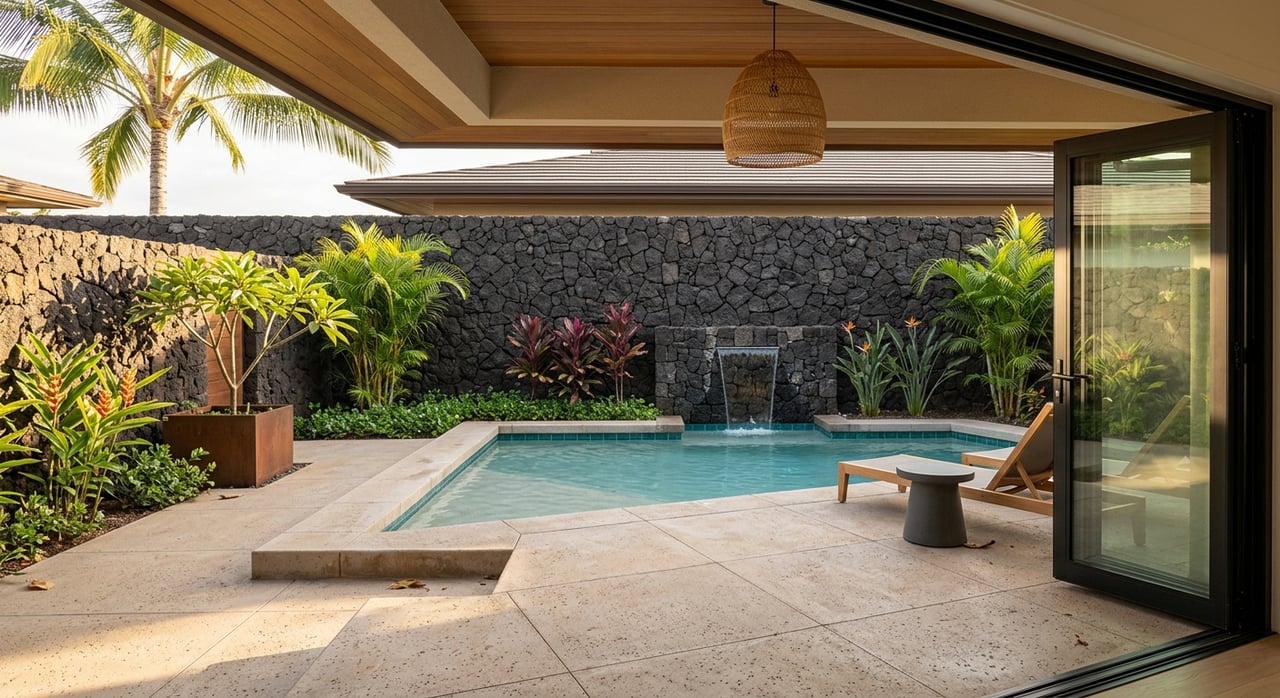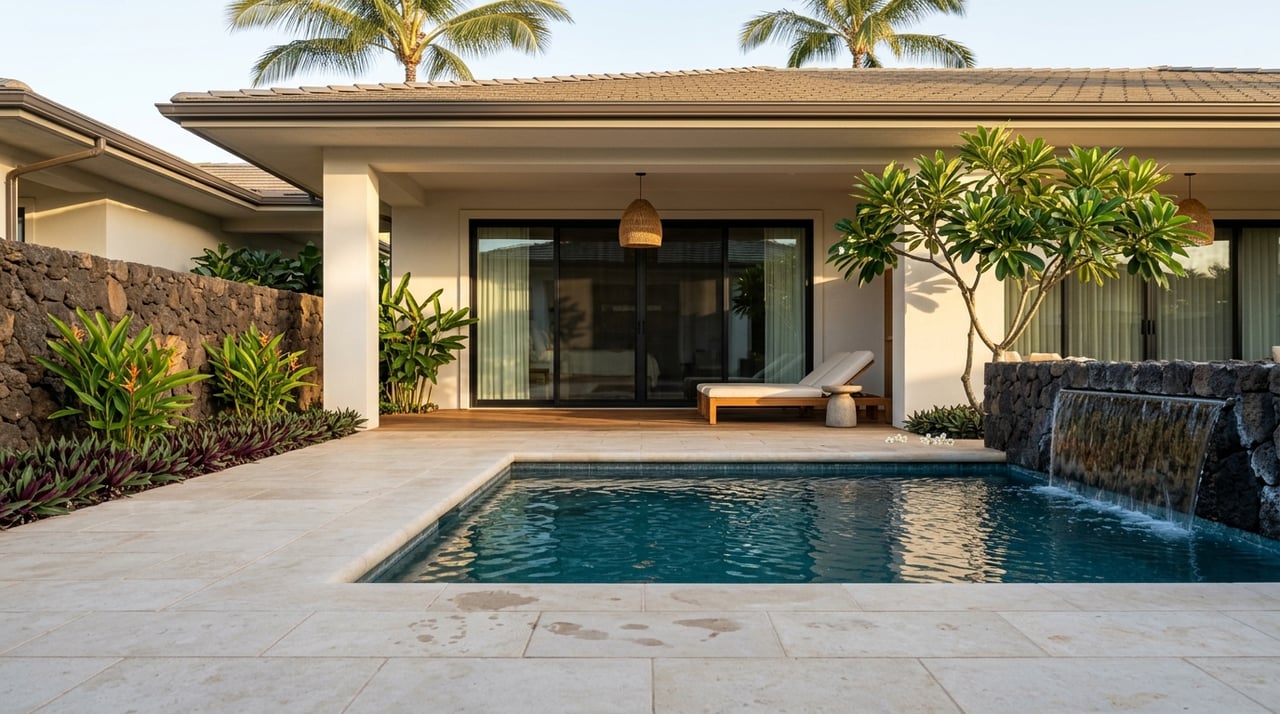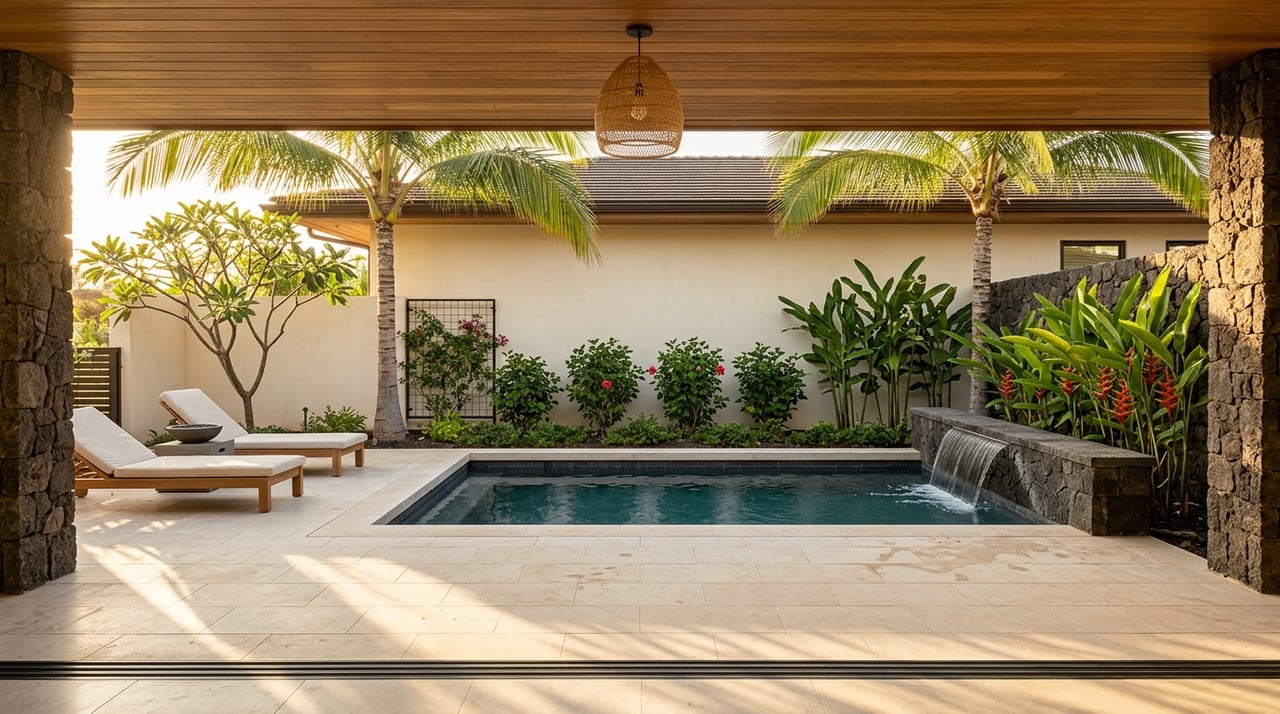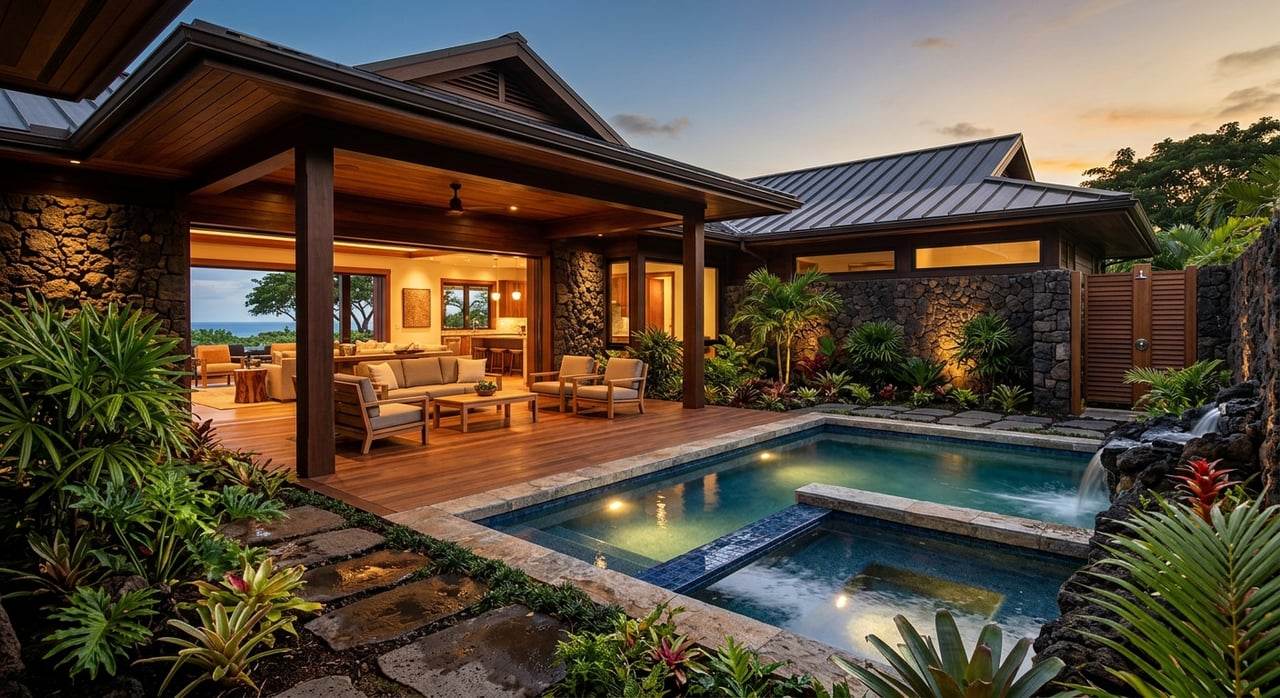
If you could start most days with warm sun, a fresh cup of Kona coffee, and a quick swim in clear water, would you? That is the simple magic of North Kona. You get everyday ocean access, a lively town center, and cooler mauka retreats just up the hill. In this guide you will learn what daily life feels like, how the neighborhoods differ, what it costs, and the practical details that make North Kona work for you. Let’s dive in.
Ocean life and beaches
Living in North Kona means the ocean is part of your routine. Locals slip in quick snorkels before work, weekend paddles, and sunset swims. The coastline mixes lava rock, sandy coves, and historic fishponds, with public access points mapped by the county. You can review shoreline paths and small parks using the county’s North Kona shoreline access resource.
For easy snorkeling, Kahalu‘u Beach Park is a community favorite with calm water and reef education programs. Learn more about its setting and rhythm from this overview of Kahalu‘u Beach Park. If you want wide white sand, head a short drive north to Kekaha Kai State Park (Kua Bay). It is known for bright water, soft sand, and a simple, beautiful shoreline. See background on Kekaha Kai State Park.
Just north of town, Kaloko‑Honokōhau National Historical Park offers coastal trails, fishponds, and cultural sites where you can stretch your legs by the water. Read about the park on the National Park Service site. If you keep a boat or enjoy charters, Honokōhau Small Boat Harbor is the main launch point for sportfishing and coastal trips.
For a unique evening on the water, the Kona coast is famous for the manta ray snorkel and dive near Keauhou and the airport. It is a special experience that both residents and visitors enjoy on select nights. Get a feel for it from this guide to the Kona manta ray night dive.
Coffee, dining, and markets
Kona coffee is more than a label here. It is a daily ritual and a living agricultural culture. The mauka coffee belt around Hōlualoa and south toward Captain Cook is home to small farms, tasting rooms, and seasonal events. If you want to dig deeper into the scene, browse the program highlights in the Kona Coffee Cultural Festival magazine.
In Kailua‑Kona town, you will find casual poke counters, food trucks, and waterfront restaurants along Aliʻi Drive. Dining ranges from no-frills lunch plates to sunset bistros. Weekend and weekly markets in downtown Kona and at Keauhou Shopping Center make it easy to grab fresh produce and local goods. For a flavor of options, see this snapshot of Kailua‑Kona restaurants and food spots.
Microclimates and weather
North Kona sits on the dry, leeward side of the island. Down by the water you get warm, sunny days and breezes. As you drive uphill toward Hualālai and the slopes of Mauna Loa, it gets cooler and often greener. These elevation changes create the famed Kona Coffee Belt. Many residents choose homes by elevation to match their preferred temperature and rainfall.
A practical note: when the island’s volcano is active, vog can affect air quality at times. Beach water conditions also change with weather. Plan to check current conditions through official county and state channels when needed.
Neighborhood pockets to know
- Kailua‑Kona town, Aliʻi Drive. A walkable, compact waterfront with restaurants, galleries, and a visible visitor presence. Expect more foot traffic and a lively scene near the water.
- Keauhou. A resort-adjacent coastal area with a shopping center, boat ramps, and organized ocean tours. Easy access to manta excursions and charter departures.
- Hōlualoa and the coffee belt. Mauka, cooler, and quieter. Narrow roads, small farms, tasting rooms, and artist studios. You trade immediate ocean access for a greener, rural pace.
- North of the airport. Rugged lava coastline, small public beaches, and a mix of gated enclaves and roadside communities. Often very quiet outside day-use parks.
Each pocket has a different tempo. If you want walkable dining and daily ocean dips, living near town can be a fit. If you prefer cool evenings, stars, and privacy, the mauka belt is appealing. If your week revolves around boating or charters, staying close to the harbor or Keauhou can be convenient.
Housing and prices
North Kona offers a wide range of properties. You will see oceanfront condos along Aliʻi Drive and in Keauhou, in-town single-family homes, mauka acreage and coffee-farm properties, and luxury oceanfront estates. Prices vary by product type, elevation, and proximity to the water. A recent market snapshot for the 96740 zip code places the median sale price around 875,000 dollars as of January 2026. Your exact budget should reflect neighborhood-level comps and current inventory.
If you are comparing options, think in terms of tradeoffs you can feel. Elevation changes temperature. A condo may give you a lock-and-leave lifestyle near the water. A mauka home may offer space, views, and quiet evenings, with a drive to town for errands.
Smart home-shopping checklist
- Elevation and temperature. Visit at different times of day to feel sun, breeze, and clouds.
- Water and wastewater. Confirm if the property is on county water or a private system, and whether it uses septic or a cesspool.
- Shoreline and access. If coastal, verify setbacks and public access nearby using county maps.
- HOA and rules. Review community rules for pets, parking, and exterior changes.
- Rental intent. If you plan to rent, see the short-term rental section below.
Short-term rental rules
If you are considering a home or condo with vacation-rental potential, know the rules before you buy. Hawaii County regulates short-term vacation rentals. Locations, permits, and the Nonconforming Use Certificate pathway for pre-existing operations are defined by County Ordinance 2018‑114 and Planning Department Rule 23. Start with the county’s official short-term vacation rental resource for permit details, zone allowances, on-island contact requirements, and tax notes. Always verify the current status of any property’s permit or NUC in writing.
Daily logistics and services
Groceries and big runs are straightforward. You will find local grocers in town and a Costco in the Kaloko commercial corridor for bulk shopping. Food prices are often higher than the mainland, and specialty items may be shipped in. Plan your pantry with that in mind.
For healthcare, Kona Community Hospital is the principal acute-care facility for West Hawaiʻi. Many emergencies and inpatient needs are handled locally, while some specialty care is more available on Oʻahu. You can read about hospital services via this Kona Community Hospital page.
For travel, Ellison Onizuka Kona International Airport (KOA) sits at the north end of the Kona corridor. It is the main west-side airport, with inter-island and mainland service that makes trips to Oʻahu or the mainland much simpler. See flight and terminal details on the KOA airport site.
Schools in North Kona include Kealakehe High School along with nearby elementary and intermediate campuses, plus charter and private options. Attendance zones and programs change, so plan to check current district resources when deciding on a neighborhood.
Outdoor recreation options
Water time leads most people’s lists. Regular routines include snorkeling, stand-up paddling, seasonal surfing for those with experience, kayaking, and offshore fishing. On land, coastal walks at Kaloko‑Honokōhau, uphill drives to cool viewpoints, and occasional mountain stargazing round out the mix. Trail networks are more limited than on some islands, but the scenery and cultural sites make even short walks meaningful.
Environmental considerations
- Air quality. Vog can be episodic when the volcano is active. Sensitive individuals may want to track conditions and consider elevation.
- Ocean conditions. Swell and currents change through the year. Check official sources and posted signs before water activities.
- Reef health. The region’s reefs have experienced marine heat stress in past events. Many locals follow leave-no-trace practices and reef-safe sunscreen to support the coastal environment.
A day in the life
Picture this. You start early on your lanai with a cup of small-lot Kona coffee from a mauka roaster. The water looks glassy, so you stop by Kahalu‘u for a 30-minute snorkel and watch parrotfish graze the reef. After work, you drive north for a swim at Kua Bay or stretch your legs on the coastal path at Kaloko‑Honokōhau. Dinner is poke from a favorite counter or a sunset reservation along Aliʻi Drive. On a clear evening, mauka stars shine bright and cool air drifts through the trees.
Is North Kona right for you?
You might feel at home here if you want everyday access to the ocean, a choice between lively waterfront streets and quieter mauka lanes, and a travel-friendly base close to KOA. You should expect higher housing costs than the national median, variable microclimates by elevation, and a lifestyle that rewards planning around sun, tide, and traffic near town. Many residents find that the tradeoffs are more than worth it once they settle into a rhythm that fits their priorities.
Next steps
If North Kona is on your shortlist, build a plan that pairs lifestyle fit with smart due diligence. Start with a clear budget, tour both makai and mauka options, and verify utilities, permits, and HOA rules before you fall in love. When you are ready for local guidance and a calm, strategic partner, reach out to Mk Letterman. Let’s connect and map your path with clarity, strategy, and aloha.
FAQs
Is North Kona good for year-round living?
- Yes. The leeward side is generally sunny and warm near the coast with cooler, greener conditions upslope, so you can choose an elevation that matches your comfort.
How close is the airport to Kailua‑Kona town?
- KOA sits just north of town along the main corridor, which makes inter-island and mainland travel convenient for most North Kona neighborhoods. See details on the KOA airport site.
Where do residents snorkel and beach most often?
- Popular spots include Kahalu‘u for easy snorkeling, Kekaha Kai State Park for white sand at Kua Bay, and coastal walks at Kaloko‑Honokōhau. Public access points are listed on the county’s shoreline access map.
What are typical home prices in 96740?
- A recent snapshot places the median sale price around 875,000 dollars as of January 2026, with wide variations by neighborhood, elevation, and property type.
Can I run a short-term vacation rental in North Kona?
- It depends on zoning and permits. Review the county’s short-term rental rules and verify any property’s permit or NUC status directly with the Planning Department.
What medical services are nearby?
- Kona Community Hospital handles emergencies and many inpatient needs locally, while some specialty care is more available on Oʻahu. Learn more on this Kona Community Hospital page.